Efficient combustion
Designed to burn fuel more completely, so less wood is needed for the same meal.
Project
Expanding the programme to more households, with the same design, training and monitoring as Phase 1.
One of our key initiatives is developing and distributing improved cookstoves in Bangladesh. Traditional cooking methods carry serious health and environmental risks. After listening to households’ concerns about the improved cookstoves already on the market, we designed the Green ICS around local knowledge and ease of use.
Phase 2 expands the programme to more households, with the same design, training and monitoring as Phase 1.
The project is registered with Gold Standard. Our monitoring team visits households to check that stoves are in use and in good condition, and keeps a clear record for independent verification.
Designed to burn fuel more completely, so less wood is needed for the same meal.
A chimney carries smoke out of the kitchen, which can improve the air families breathe.
Replaceable strainer, ring and cap, with spare parts held locally.
Every family is shown how to use the stove safely and well.
Household visits recorded for the monitoring report.
Registered with Gold Standard before credits can be issued.

Gold Standard ID GS23304. The project’s public record is on the Gold Standard Impact Registry.
Gold Standard registry · GS23304 (opens in a new tab)In three steps
An efficient stove, designed with the families who cook with it every day.
Where community and clean energy meet: less smoke and less firewood.
Benefits for health, time and budgets, monitored for carbon credits.
Gallery
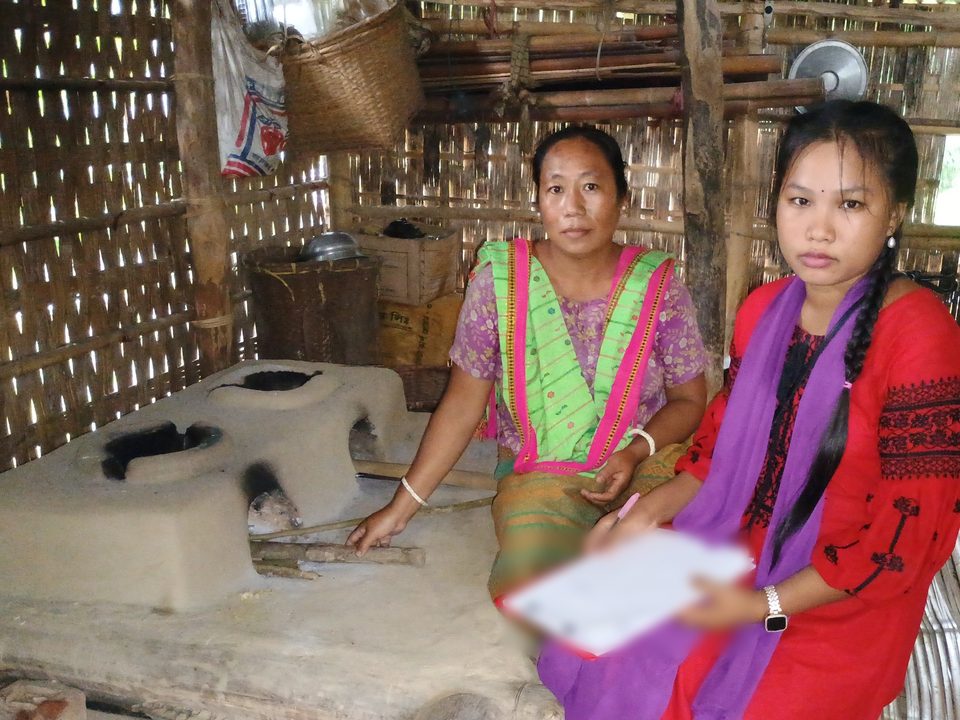
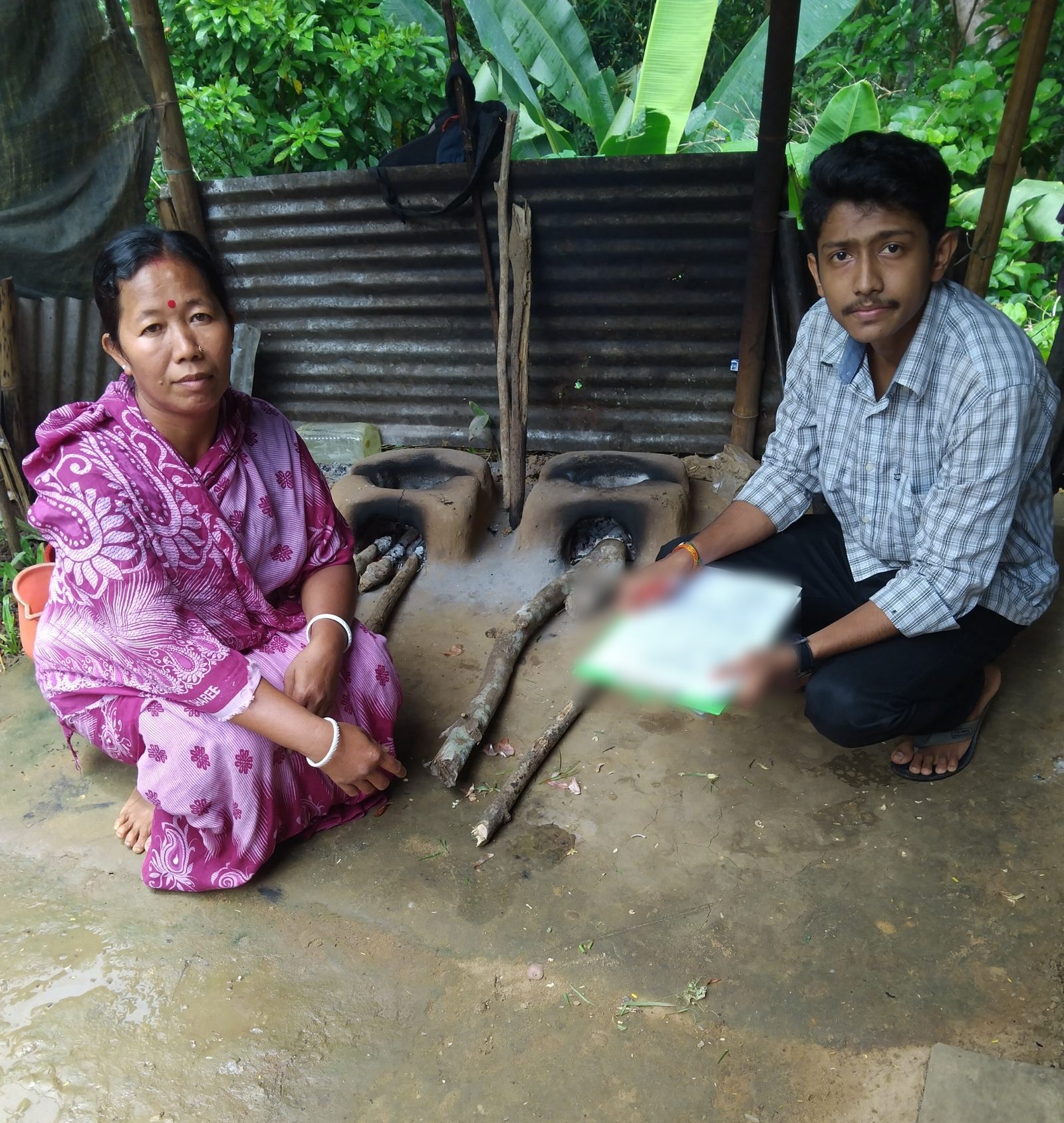
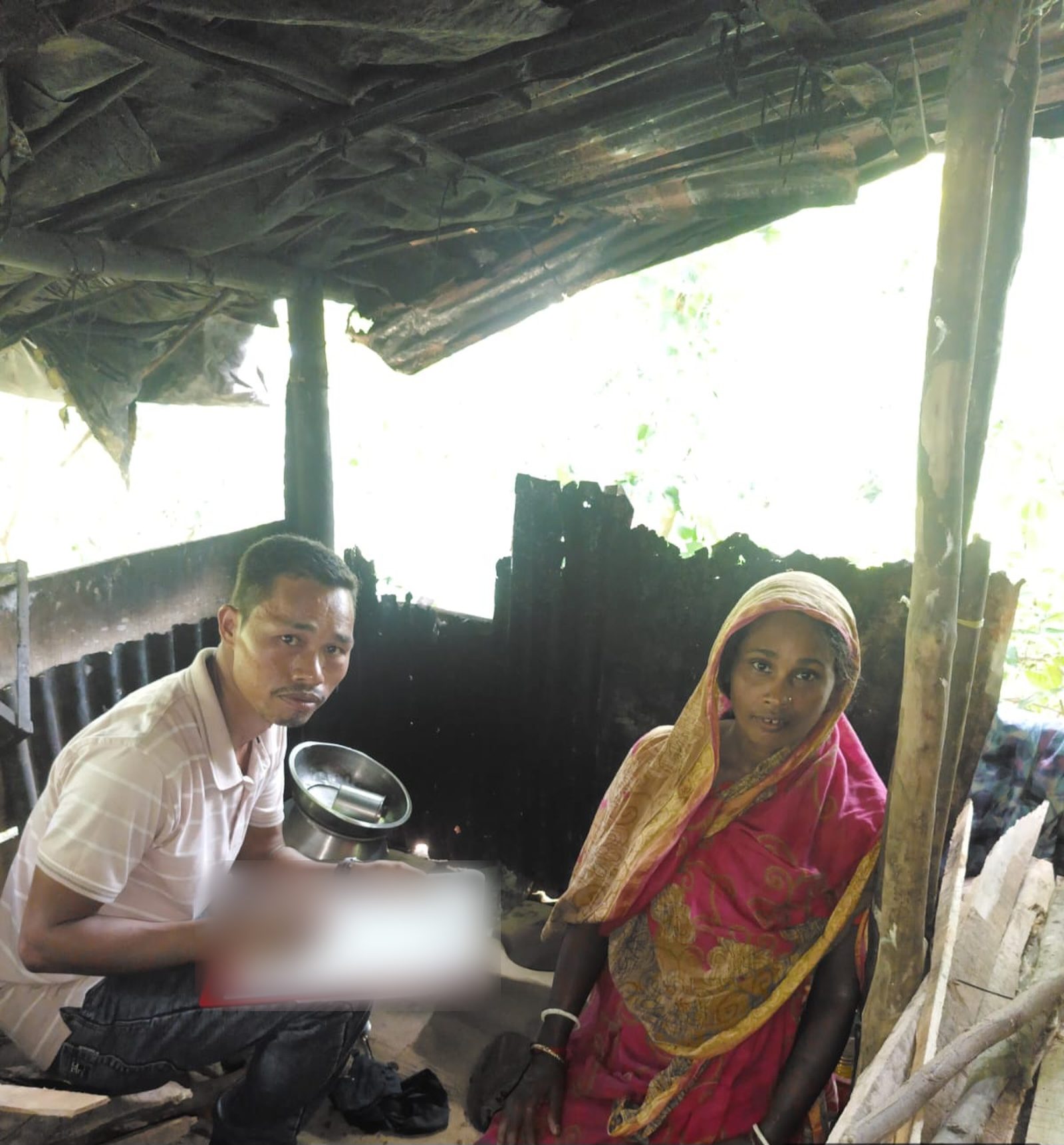
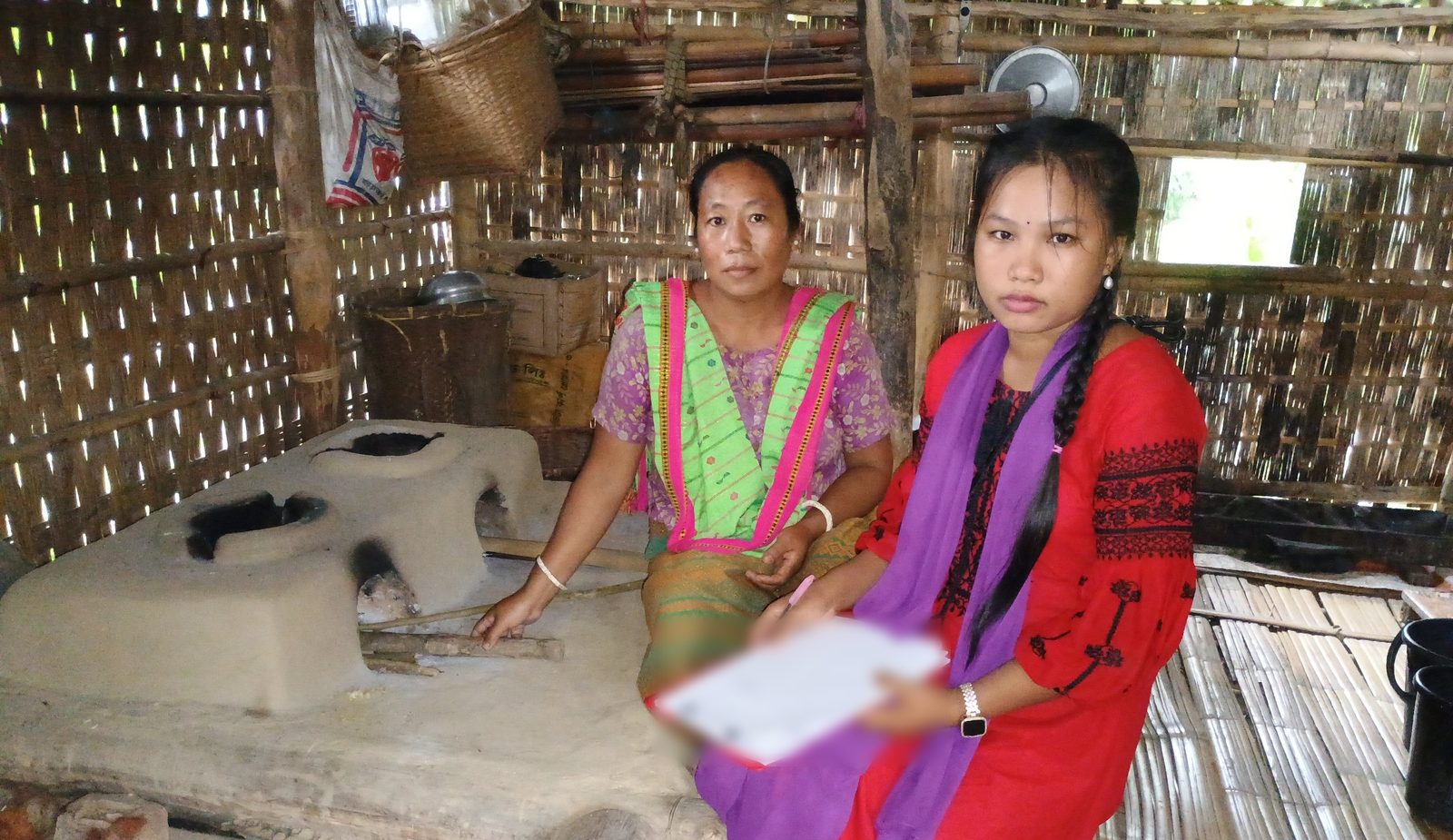
Household visits and installations from the Improved Cookstove Programme.
Related

The first phase of our improved cookstove programme: stoves installed with households who cook with firewood and biomass.

The next phase of the programme is in preparation. Details will be published once it is registered.

Field officers visit households, check stoves, replace parts and record use for the monitoring report.

Work with us
Talk to us about partnerships, carbon credits and clean-energy programmes in Bangladesh, Nepal and Cambodia.